
The Surprisingly Practical Case for Medieval Armor In The Modern Day

For reasons that are entirely academic, completely historical, and certainly unrelated to anyone having opened a European news app, this seems like a good time to talk about medieval armor.

More specifically, there are several ways to put something between your body and a sharp piece of steel.
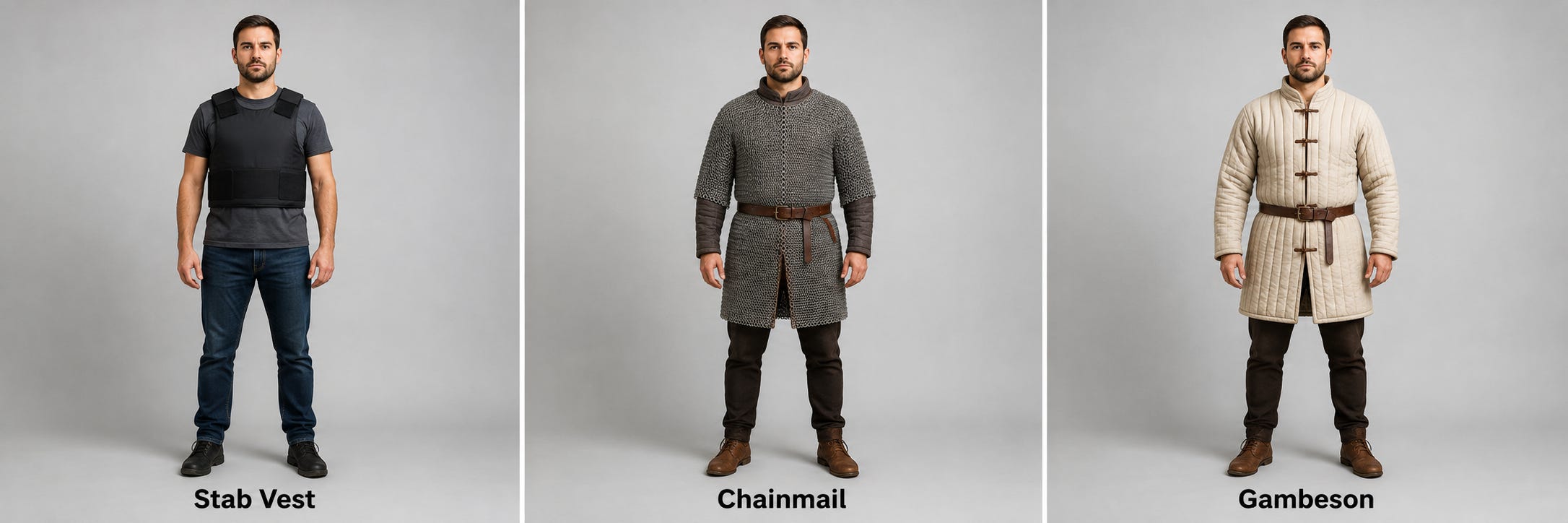
You can take the modern approach and buy a certified stab-resistant vest. You can go backward several centuries and wear chainmail. Or you can go with the simpler textile option and wear something resembling a gambeson, effectively the precursor to kevlar.
All three can provide protection, and all three have different trade offs.
So, for no particular reason whatsoever, let us compare them.
Stab-Resistant Vests
A properly certified stab-resistant vest is specifically engineered to stop or substantially limit penetration from a knife or spike striking the protected area.
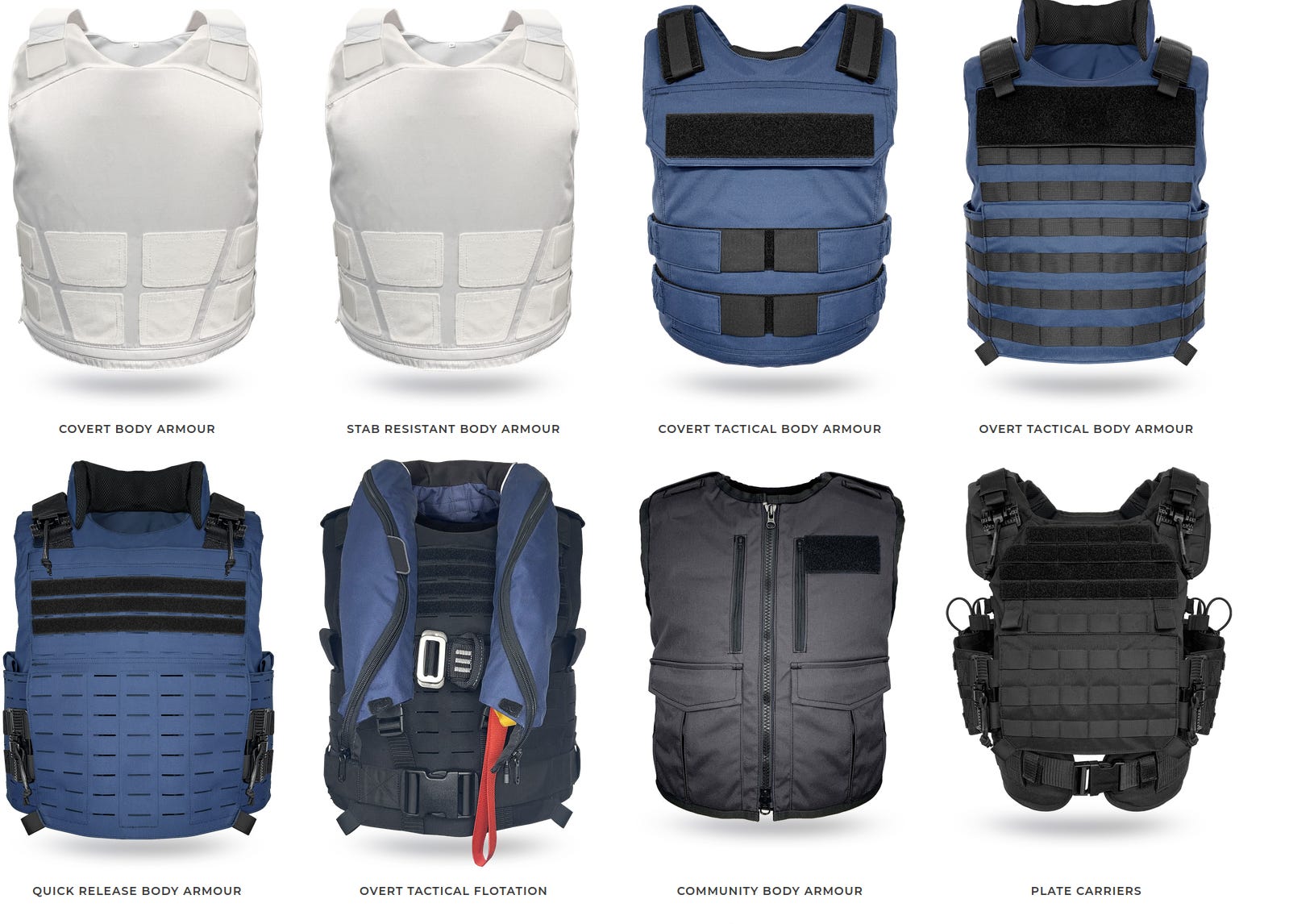
Prices vary more than the usual “$500 to $1,000” estimate suggests. VestGuard currently lists KR1/SP1 covert armour at £314 before VAT, or £376.80 including VAT.
Higher-end KR1/SP1 panels run around £550 before VAT, while combination ballistic, stab, and spike armour starts around £702 before VAT. In the US market, comparable commercial armour can also run from a few hundred dollars into the high hundreds depending on the protection package.
So $500 to $1,000 remains a reasonable mental budget for serious equipment, particularly once you start adding higher protection levels or ballistic capability, but it is not a hard minimum.
Note that most countries will have their own standards when it comes to what is and isn’t a certified stab resistant vest.
Under the UK Home Office Body Armour Standard, KR1 armour is tested against knife strikes at 24 joules with an overtest at 36 joules.
KR2 steps that up to 33 and 50 joules. Spike protection is separately designated SP1 or SP2. The standard specifies allowable penetration rather than promising that absolutely nothing ever gets through.
A product page saying STAB PROOF!!! next to a photograph of somebody poking the vest with a pocketknife is advertising.
The Coverage Problem
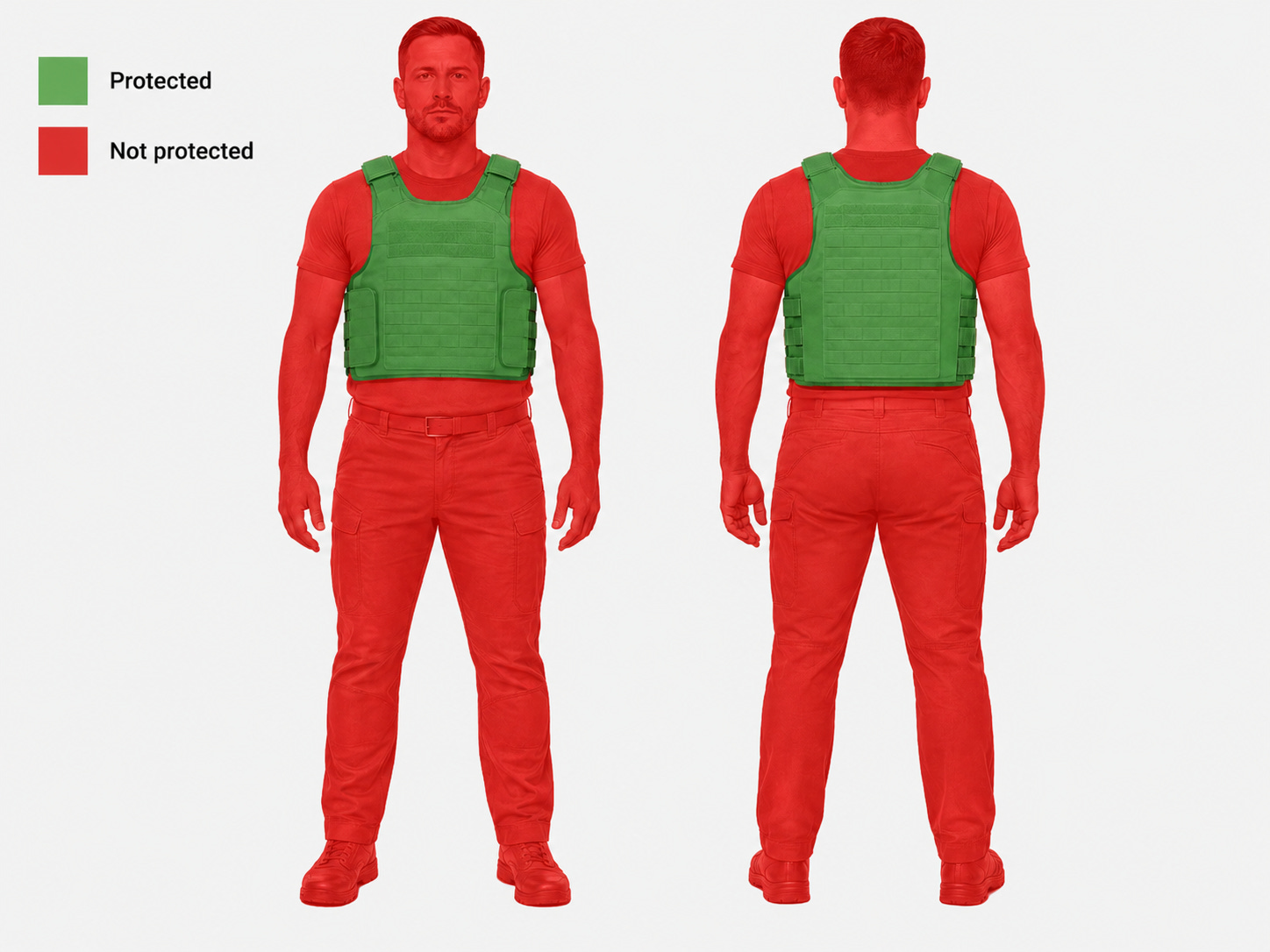
The obvious downside to a stab vest is contained in the name, it is a vest.
So if your attacker stabs you on the vest, keeping in mind most vests are not a total coverage, meaning only the front and back are usually protected, not the shoulders or sides (often), than you’re going to most likely be safe.
While there is no universal dataset showing exactly where people are stabbed, its often the upper body and thats about it. Face, neck, torso, arms they are all usually stabbed.

And unfortunately, in many instances its not a single stab but often MANY.
A whole-population Icelandic study of penetrating stab injuries found the chest was involved in 26.4% of injuries, the abdomen in 21.5%, and the upper limbs in another 21.5%. More than a third of patients had injuries involving multiple body regions.

An earlier hospital study found the chest to be the most common location among admitted stabbing patients, followed by the abdomen and neck. Different studies produce different distributions, but the torso is very clearly not an irrelevant place to put armour.
Some of the biggest pros of the vest however is that its usually comfortable, yes this is a big pro, and it offers excellent protection of the torso, just make sure you get one thats real and not some knock off.
Chainmail
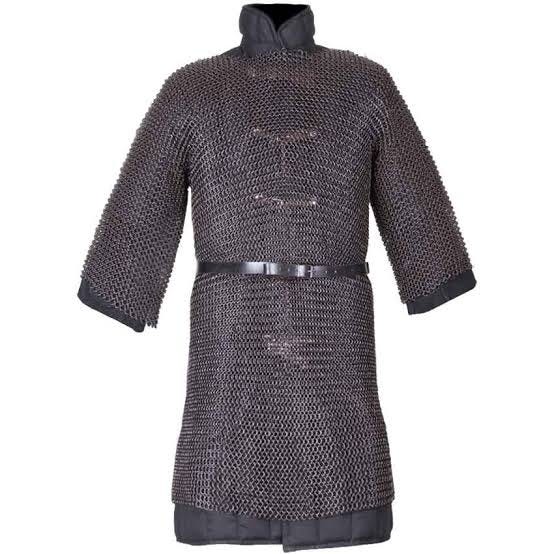
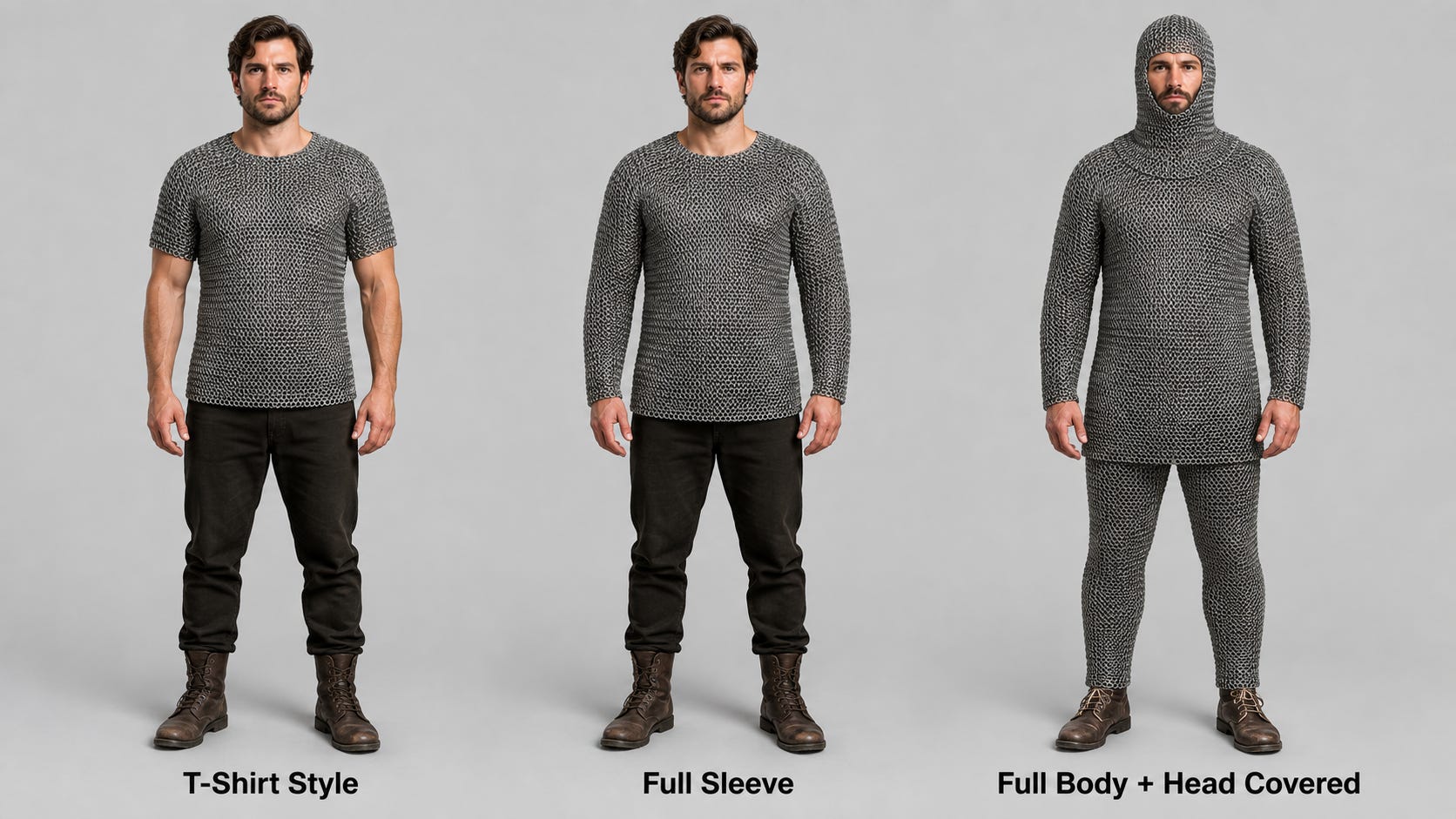
Chainmail has one enormous advantage over conventional body armour: coverage.
Because mail is a flexible mesh rather than a rigid panel, it can be made into shirts, long sleeves, gloves, aprons, leg protection and other shapes without preventing normal joint movement.
And no, this isn’t something only used hundreds of years ago, this is still in the inventory of many police units to prevent knife attacks, especially in Western Europe, where knife crime is very common.
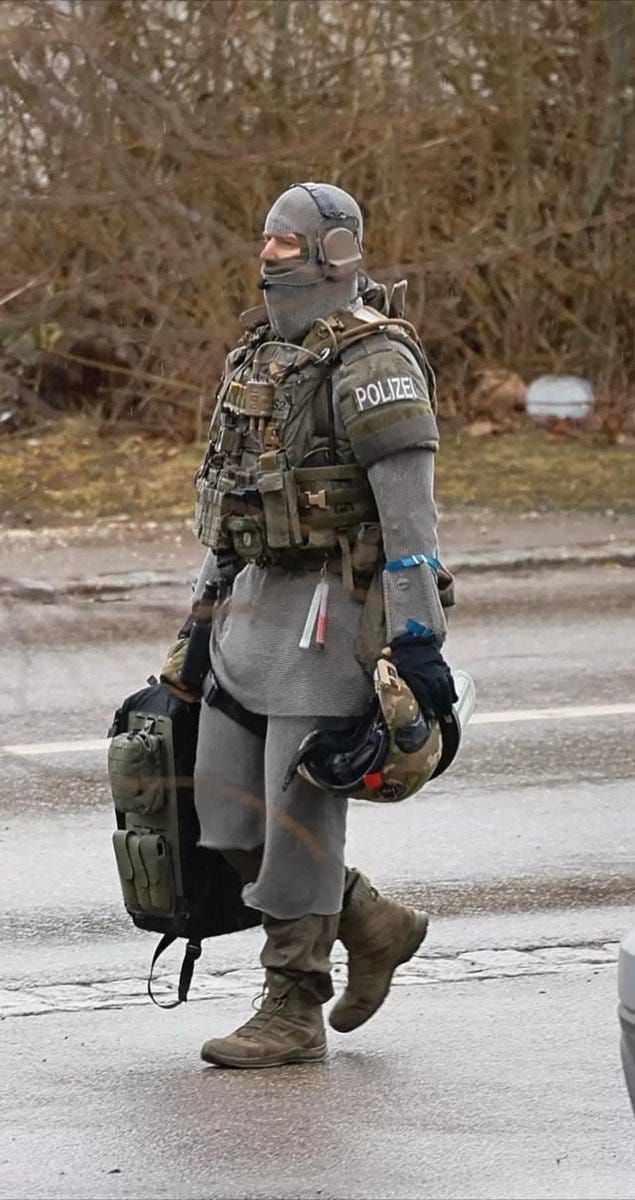
Basically chainmail will stop blades from lethal stabs and slashes. It is extremely good at stopping slashing attacks.
As for stabbing, the blade can only go into the mail as deep as the blade can fit between the links, which is usually why smaller links is better. Eg bigger hole means more knife penetration.
Properly constructed mail is a legitimate form of protection against sharp tools, and it did not stop working when plate armour became fashionable.
The biggest con for chainmail is that there is zero protection from blunt trauma, meaning that if you are stabbed with a knife, even though it may not actually get through and kill you, it may very well break bones or cause deep bruising.
That said, blade geometry really changes the effectiveness of a stab in regard to chainmail. For a pocket or kitchen knife, even something like a machete its usually complete protection from lacerations, but once you get to things like hunting knives, or spike based weapons things change.
Butted, Riveted and Welded Mail
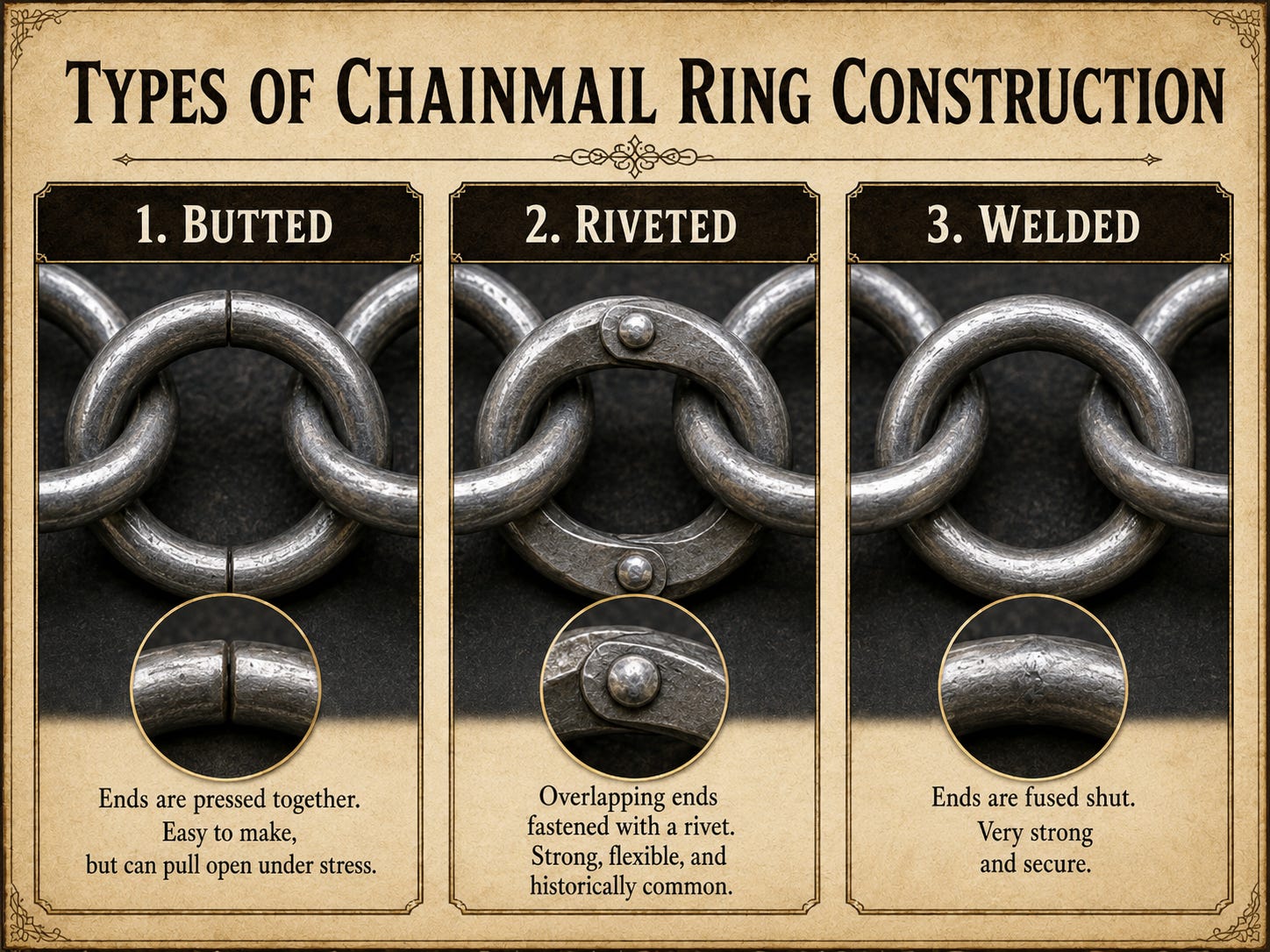
Not all chainmail is equal.
Butted mail is the cheap version most people encounter in costume armour. The ends of each ring simply meet one another. There is no rivet or weld mechanically locking the ring closed.
Riveted mail overlaps the ends of a ring and mechanically fastens them with a small rivet. Historical examples frequently combine riveted rings with solid rings punched from sheet metal. The result requires considerably more labour but removes the open seam that makes butted mail vulnerable to being pulled apart.
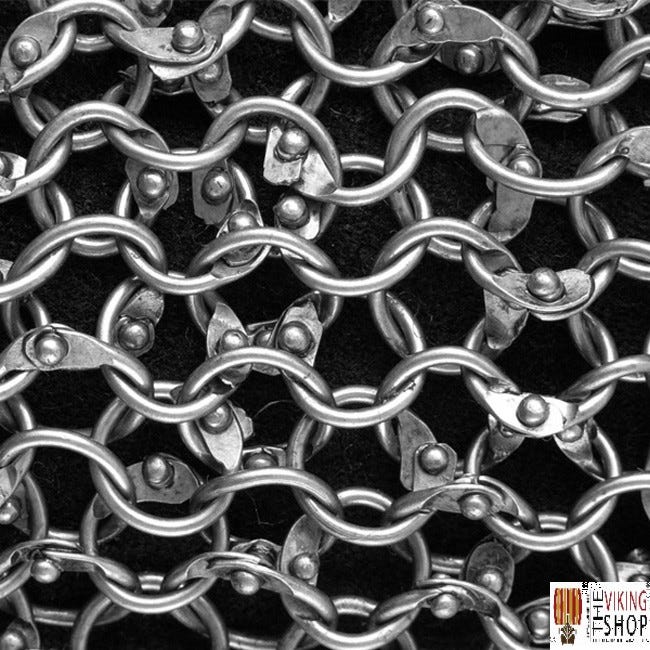
Then there is welded mail.
Instead of riveting the ring, the joint is welded closed. For modern protective equipment, welded or otherwise permanently closed stainless-steel mesh is extremely attractive because it combines a strong closure with much easier corrosion maintenance.
That does not mean the word “welded” automatically makes good armour.
Wire thickness matters. Ring diameter matters. Material matters. Weld quality matters. The weave matters. The threat being tested matters.
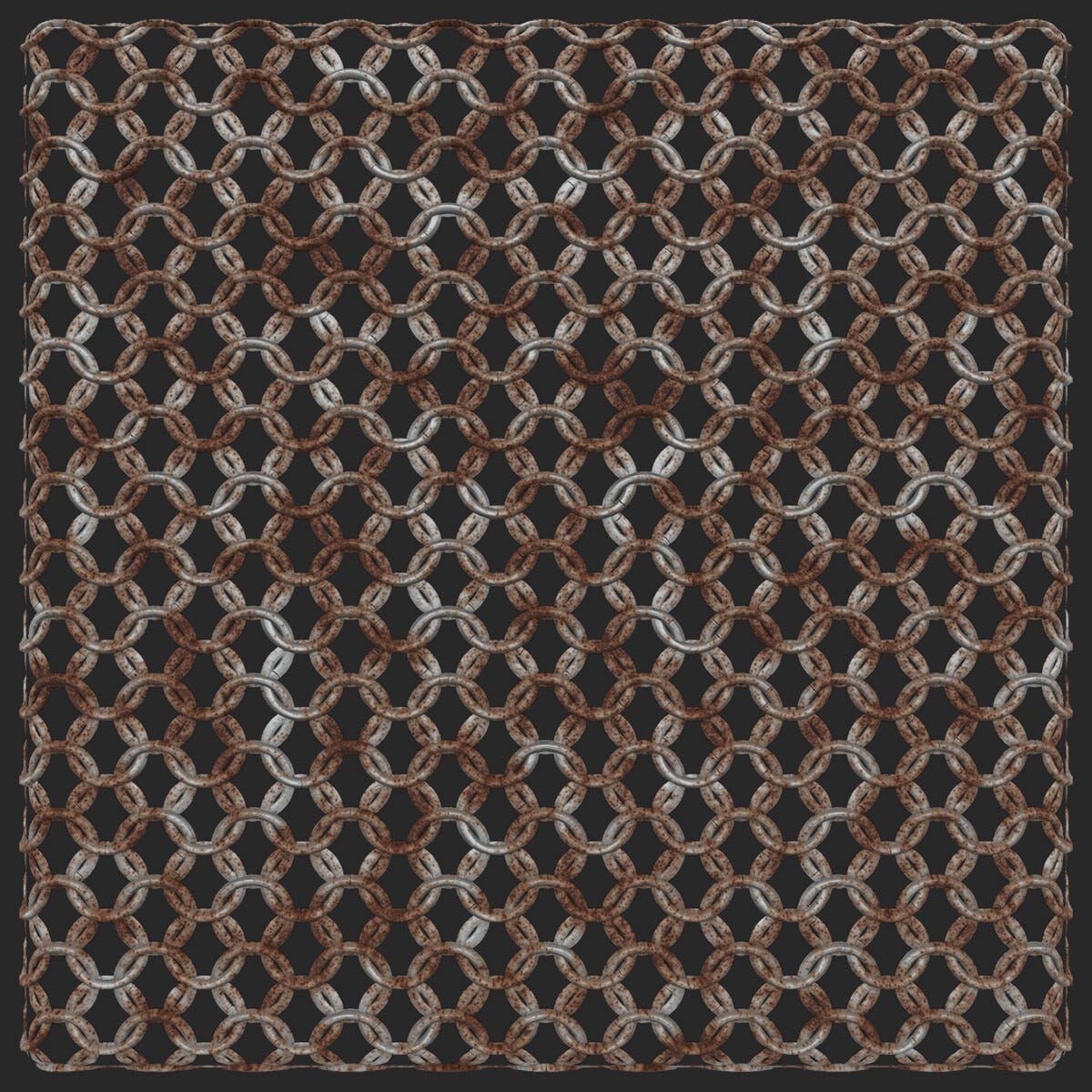
One extra downside to chainmail is the fact that it tends to rust, and imagine trying to clean all those little links.
Fortunately, there is stainless steel chainmail which effectively removes that issue. Unfortunately, finding that type of mail available in your area is unlikely (unless your in the USA, because we always have products available :P ).
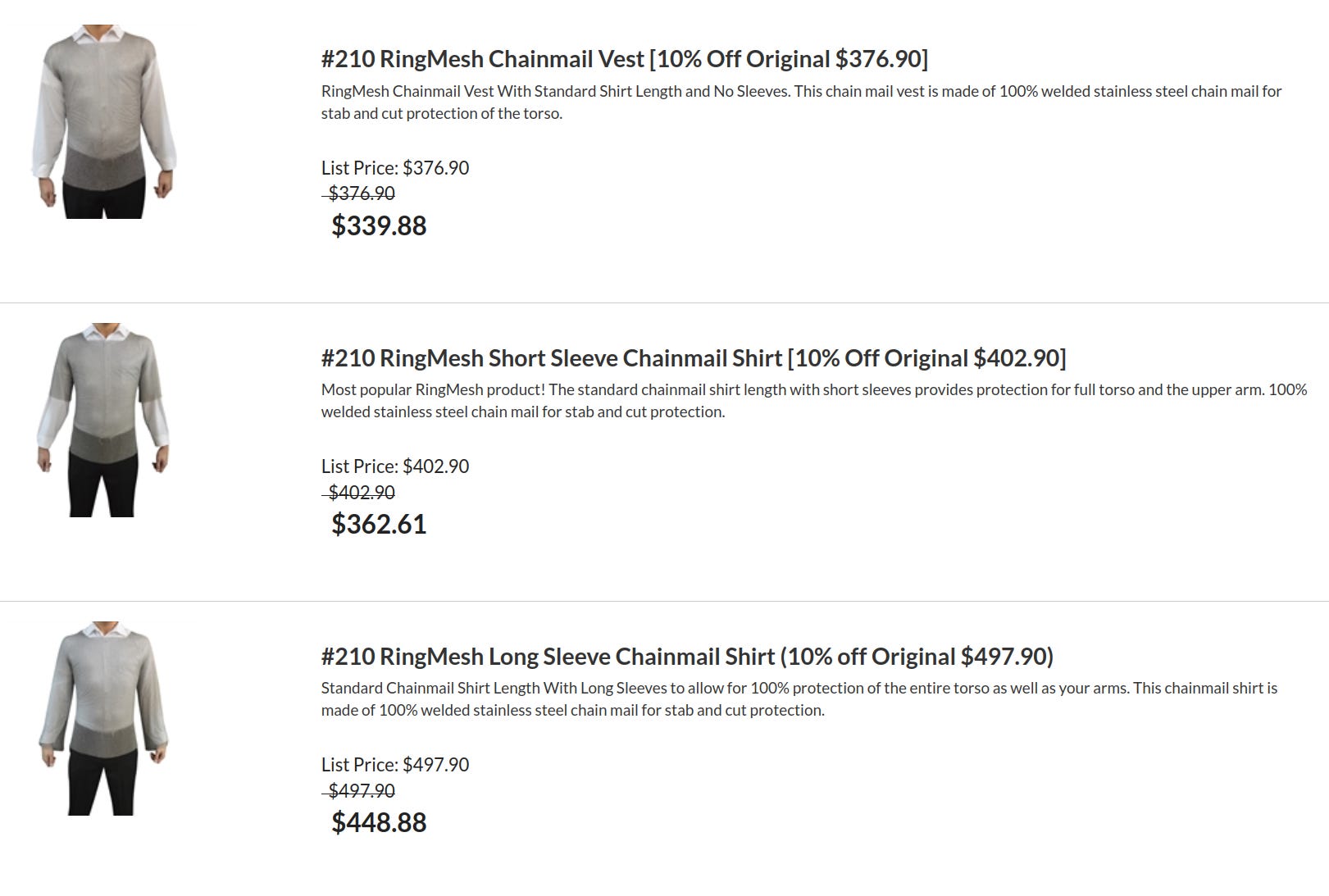
Welded stainless steel therefore is the type of mail I would tend to look for.
The company above for example, produces some excellent welded stainless steel chainmail with very small links.
Gambesons
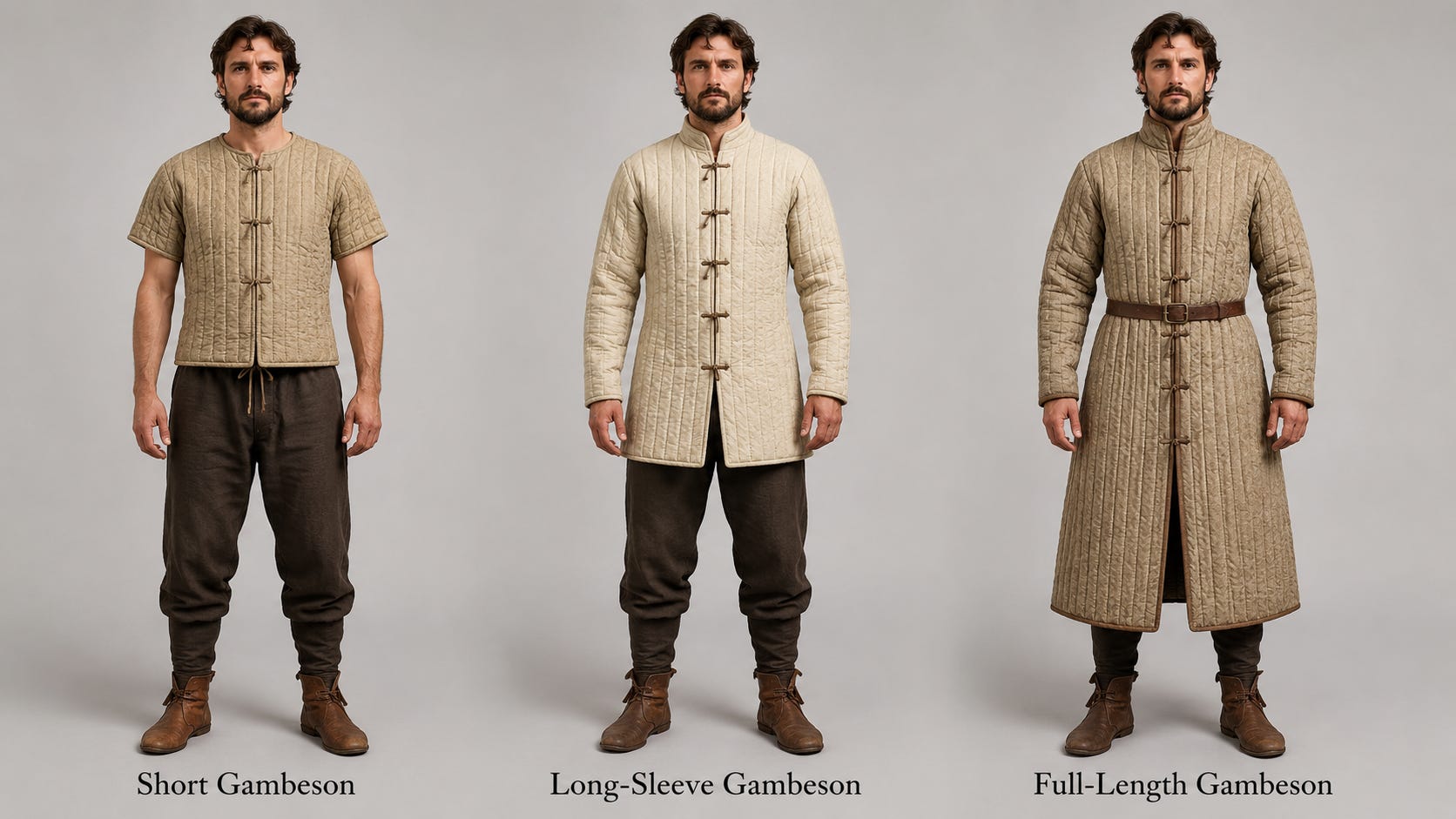
The gambeson is the simplest concept of the three and effectively the original kevlar vest.
Basically, if you put enough cloth textile between you and the pointy thing trying to hurt you, it tends to stop pointy object from getting inside you.
(note i adjusted the volume to try and limit shouting in the next video and save your ears)
Gambesons are simply linen, wool or similar textiles in many layers to add minor amounts of protection from blunt weapons but more importantly a good amount of slash and stab protection.
Historically, they would be used in addition to something like chainmail to get the best protection of both.
In the above videos, there i a considerable amount of gambeson material, which makes a massive difference in how effective it is at stopping any bladed attack. If your gambeson is to thin, the attacking weapon is either incredibly sharp or has the right geometry its probably going to get through.
This is why gambesons were usually paired with chainmail, to get the slashing and stabbing protection of the mail with the padding and extra protection of the textiles.
That said, some gambesons have slots for extra padded inserts which could easily be swapped out for a bit of steel.
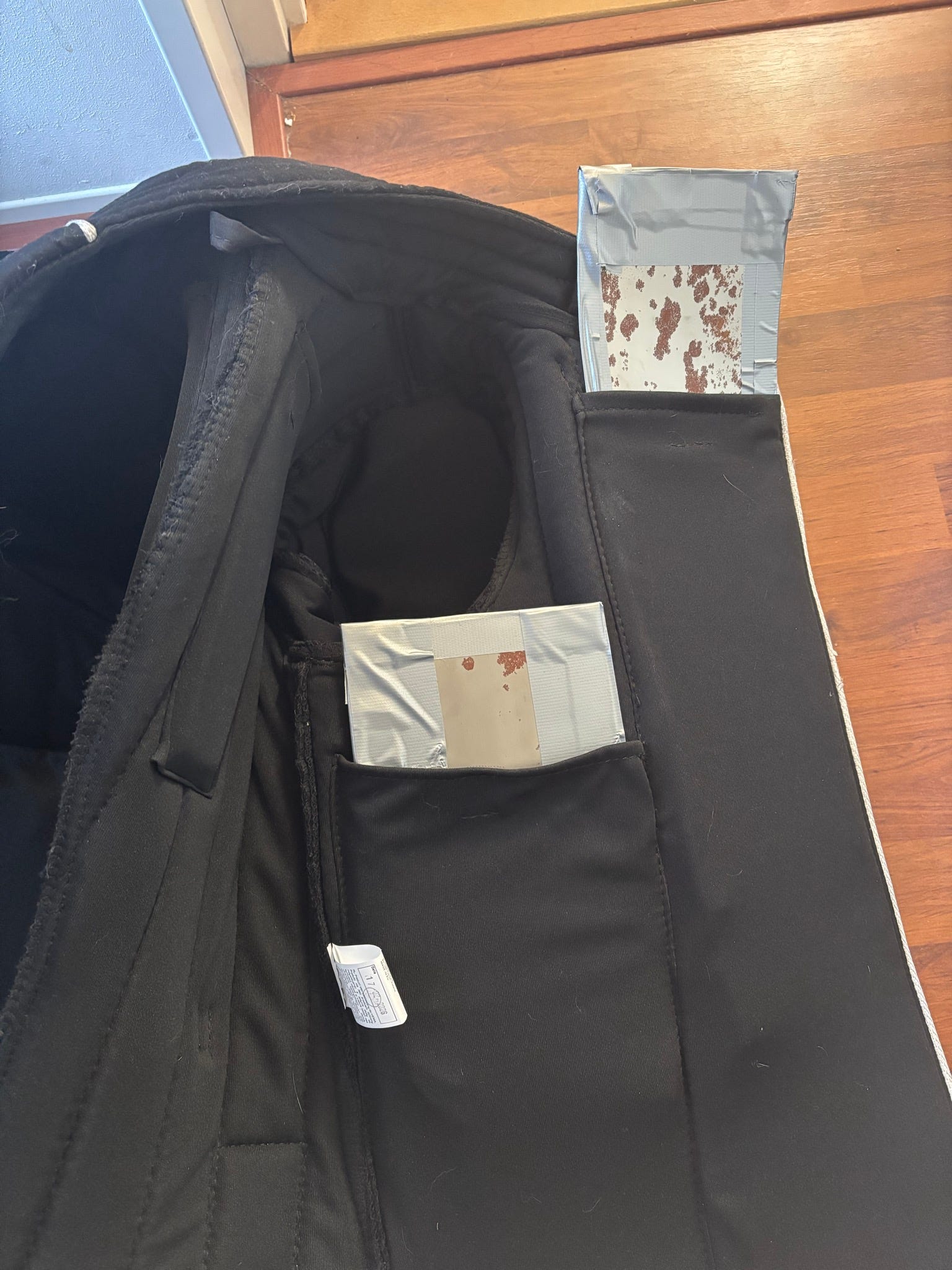
Without metal inserts into a gambeson, one big con is that you’re going to need a good amount of material to actually be protective alone, which means it will be both bulky and hot to wear.
While that might not be an issue in cold months, its certainly a draw back for all other times.
Conclusion
Obviously this article is purely for educational purposes and has literally nothing to do with modern trends of knife crime in certain parts of the world.
That said, I hope that this helps anyone who is interested in better understanding stab resistant clothing and what their pros and cons are.
Stay safe out there.
Training Resources:
For individuals looking for a hands on training that includes all of the above topics, Covert Access Team (covertaccessteam.com) provides training courses focused on physical penetration testing, lockpicking, bypassing techniques, social engineering and other essential skills.
Covert Access Training - 5 day hands on course designed to train individuals and groups to become Covert Entry Specialists
Physical Audit Training - 2 day course on how to setup and run a physical security audit
Elicitation Toolbox Course - 2 day course of that primarily focuses on elicitation and social engineering as critical aspects of Black Teaming
Strategic Operations for Lone Operators - Advanced course for those who are interested in learning how to become a one man infiltration team.
Counter Elicitation - 2 day course on how to recognize and prevent elicitation attempts, and safegaurd your secrets.
Cyber Bootcamp for Black Teams - 2 day course designed explicitly for physical penetration testers who need vital cyber skills to add to their toolbox.
Private Instruction - Focused learning & training based on your needs .
Video Sources:
https://www.youtube.com/@shadiversity
https://www.youtube.com/@Skallagrim
https://www.youtube.com/@Thrand11
https://www.youtube.com/@JDraper/shorts