

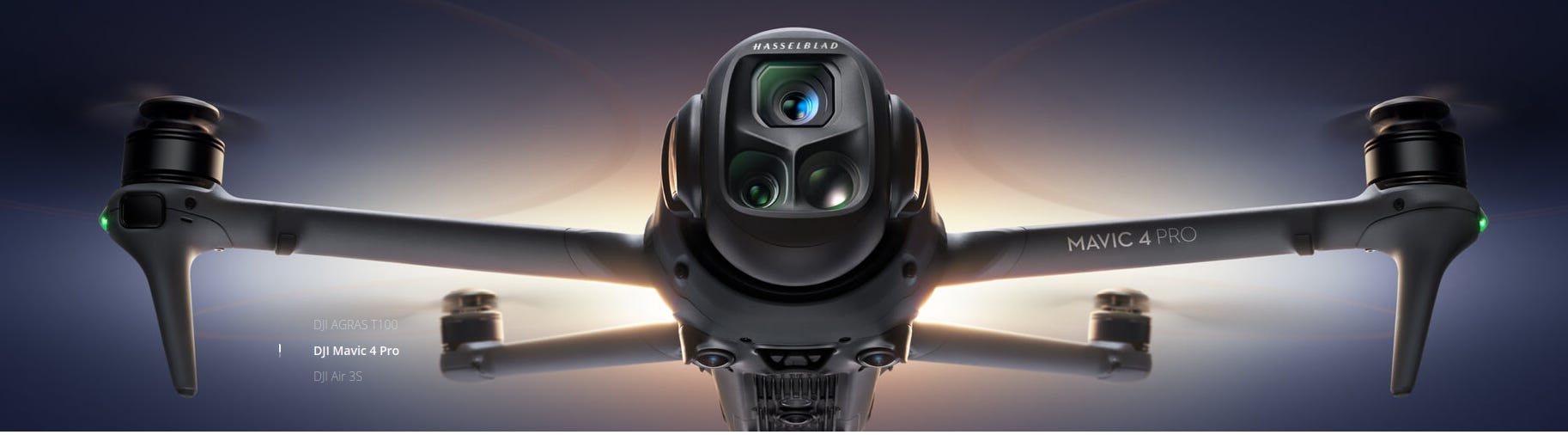
What happens when the most ubiquitous drone platform for black team operations becomes legally unflyable? For years, DJI has dominated the aerial surveillance game — favored for its reliability, optics, and cost-effectiveness. But unless the U.S. government completes a mandated audit by the end of 2025, DJI drones could become effectively illegal to operate in the United States. And if the U.S. moves forward, it’s highly likely that other NATO members will mirror the decision soon after.
In short, black teams flying DJI as part of physical penetration testing should prepare now for the potential loss of their most trusted air asset.
The Legal Threat Is Real
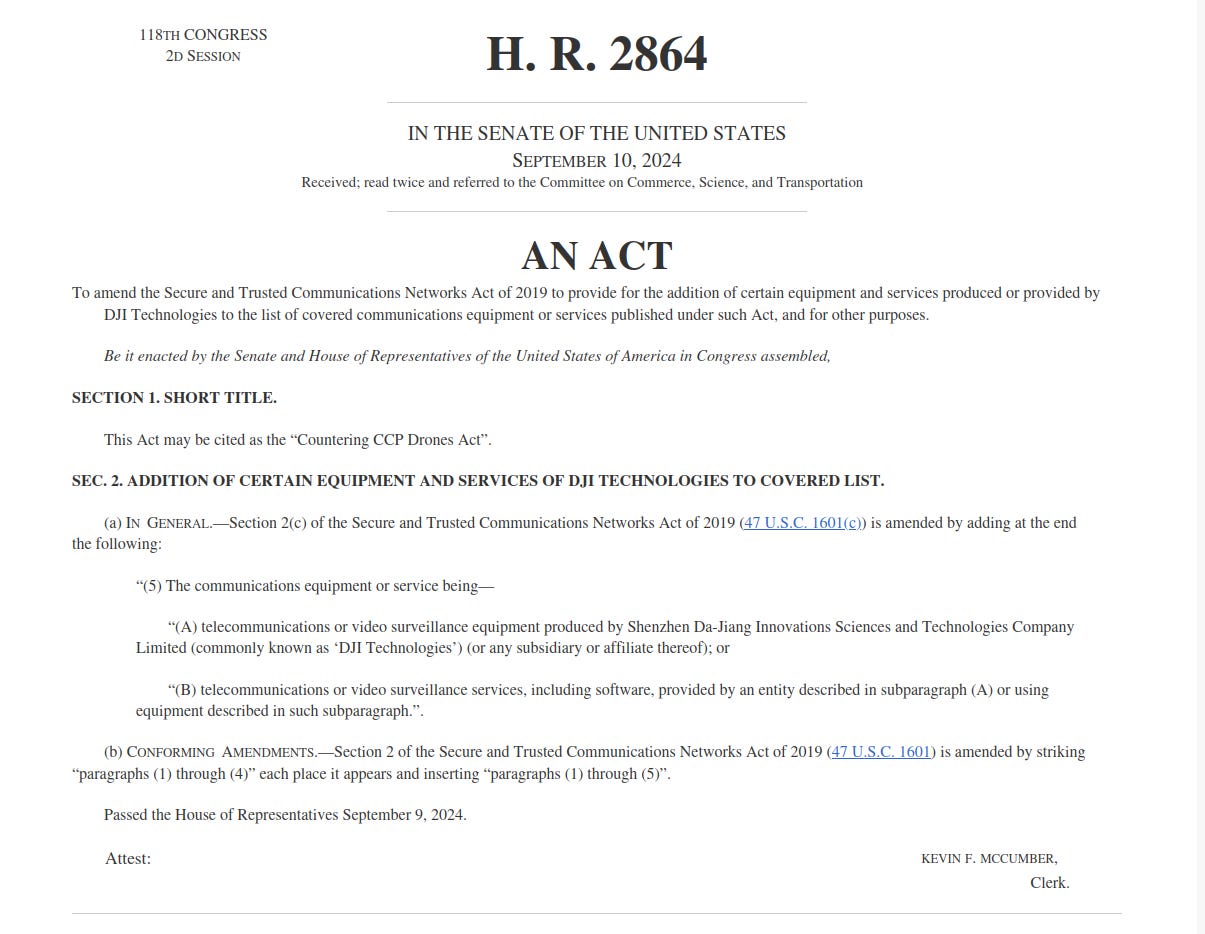
In late 2024, Congress passed the Countering CCP Drones Act, aimed specifically at DJI. It proposed adding DJI to the FCC’s “Covered List” under the Secure and Trusted Communications Networks Act — the same blacklist used to ban Huawei and other Chinese telecom companies. This move would cut DJI off from using U.S. telecommunications infrastructure, effectively grounding their drones in American airspace.
But that’s only the first front.
Section 1709 of the FY2025 National Defense Authorization Act (NDAA), signed into law in December 2024, mandates a national security audit of DJI drones. If that audit isn’t completed by December 23, 2025, DJI will be automatically added to the Covered List. This “audit or ban” clause leaves little room for compromise. If the audit is conducted but raises red flags, the ban could still proceed.
DJI has just released a security white paper, which seems to be their attempt to appease the US auditors, however a formal audit is still required by US law.
So far, there is no public evidence that the audit has begun.
FCC Enforcement: Soft Ban vs. Full Lockout

If the FCC adds DJI to its Covered List, it has a few enforcement levers — each of which affects operators differently:
A soft ban would block the sale of new DJI drones in the U.S., prevent firmware updates, and cut off access to replacement parts and repair support. Older drones might still function but would gradually degrade as software and components become unavailable.
A strict enforcement would go further, banning all DJI drones from operating at all — regardless of when they were purchased or how they’re used.
For black teams relying on DJI drones for recon flights, thermal imaging, or dropping sensor payloads during physical engagements, either option presents serious risk. A soft ban means losing upgrade paths and field reliability. A strict ban means outright operational denial.
Operational Implications for Black Teams
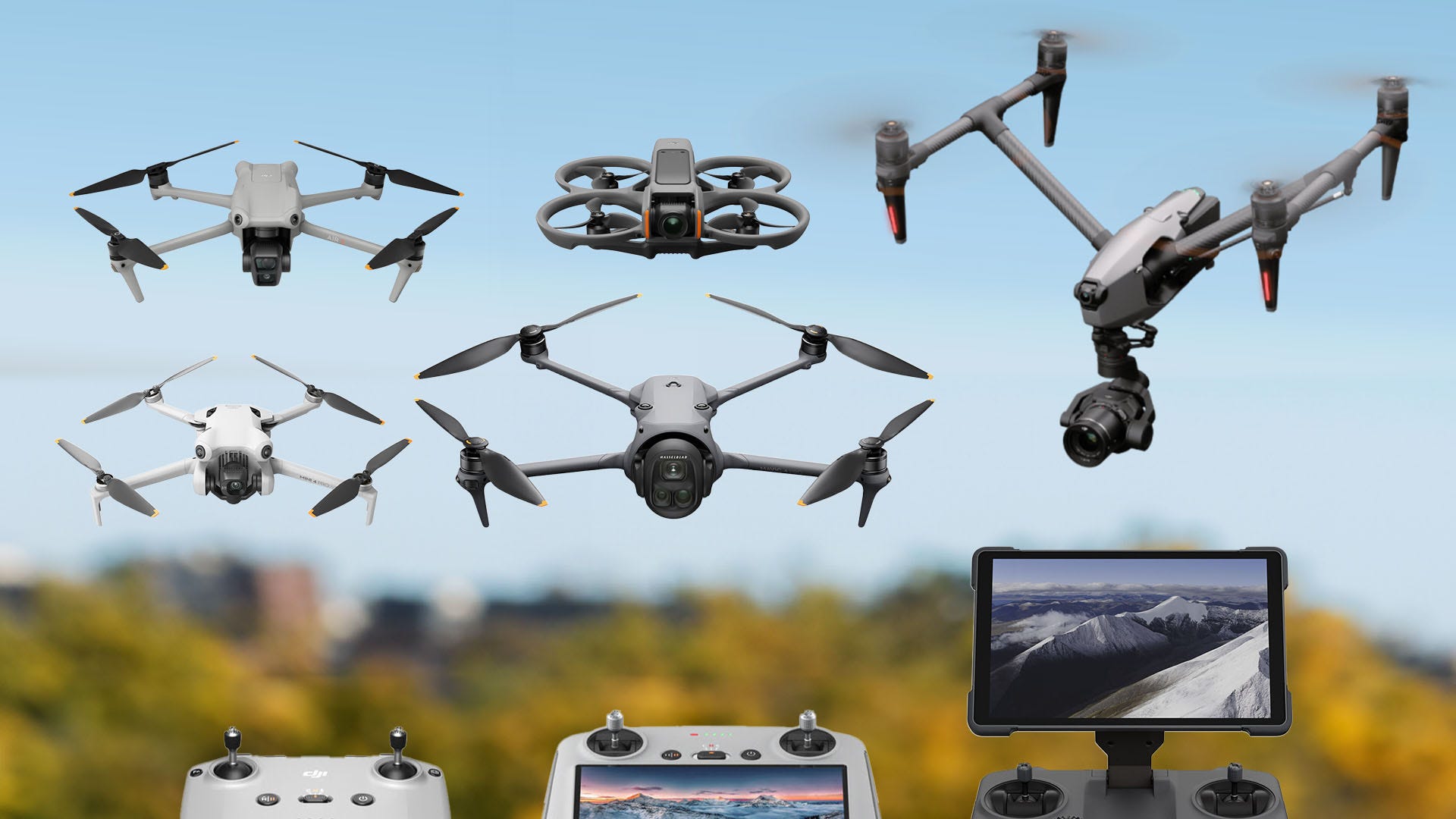
DJI has become the dominant drone platform not because it’s made in China — but because it works. Mavic 3, Matrice, and Mini platforms offer long flight times, smart obstacle avoidance, and native video encryption — all features prized by red and black teams. They’ve become essential in site recon, bypass testing, rooftop entry validation, and secure drop delivery.
Removing DJI from the equation forces black teams to face a set of hard questions:
What domestic or allied alternatives offer equivalent performance at scale?
How will you test, validate, and deploy non-DJI drones under time constraints?
Will new platforms support your existing SOPs for physical insertion or surveillance?
Even if you stockpile DJI equipment now, a ban would make resupply, updates, and telemetry support unavailable — introducing risk into every flight.
Why NATO Will Likely Follow

Historically, when the U.S. identifies a national security threat in the tech space, NATO countries move quickly to align. We saw it with Huawei. We’ve seen it in the application of export controls. And we’re already seeing signs of European scrutiny toward DJI platforms.
NATO militaries also rely heavily on U.S. standards and interoperability, especially across Five Eyes partnerships. If DJI is classified as a national security risk in the U.S., expect pressure to ripple through allied nations via procurement rules, public contract bans, and import controls.
A U.S. ban could easily turn into a NATO-wide de facto embargo by early 2026.
Conclusion
Unless the mandated audit is completed in time and DJI passes without issue, DJI drones will be banned in the U.S. starting December 23, 2025. Black teams should not count on a last-minute exemption. Even a soft ban will severely limit operational flexibility, and the possibility of a full enforcement scenario must be taken seriously.
This will change how physical engagement teams plan, operate, and invest in their aerial toolkits. Whether or not you trust DJI’s security posture, the risk of total shutdown is now a practical reality — not just a policy talking point.